20 Small Home Library Ideas for Book Lovers

You do not need a spare room or a wall of dark wood paneling to have a library at home. These small home library ideas for book lovers are built for real houses and apartments, where books share space with a sofa, a desk, a hallway, or a staircase. The trick is choosing one workable spot, giving it decent light, and keeping the books you actually reach for close at hand.
Before you buy anything, count your books. A 90 centimeter wide bookcase with five shelves holds roughly 120 to 150 paperbacks, which tells you whether you need a tall case, a full wall, or just two floating shelves.
Small Home Library Ideas for Book Lovers That Fit Real Rooms
Match the idea to the space you already have: a corner suits a chair and a tower case, a hallway suits shallow shelves, and an alcove suits two bookcases with a painted back panel.

1. Claim one wall, not the whole room
Pick the wall you see first when you walk in, and let books own it from floor to ceiling. Two narrow bookcases, each 60 centimeters wide, flanking a small armchair read as a library, while books scattered on three walls just read as clutter. Keep heavy hardcovers low, everyday reads at eye level, and plants up high.
2. Turn a dead corner into a reading corner
A corner needs only about 120 by 120 centimeters. Put a comfortable chair at a slight angle, a floor lamp behind one shoulder, and a narrow tower bookcase beside it. A side table no bigger than 40 centimeters across holds a mug and your current book, and a soft throw finishes the spot.
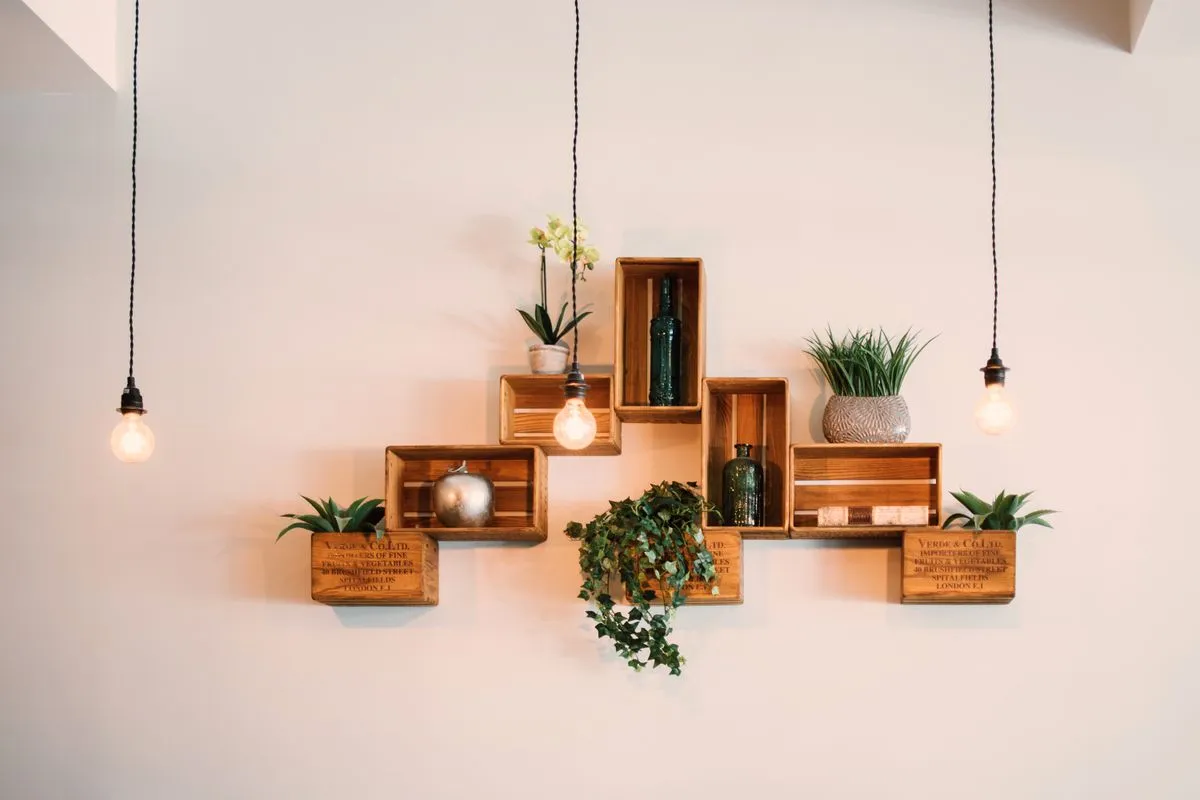
3. Build a single-wall bookcase with ordinary cases
You do not need custom joinery for a built-in look. Line up three matching bookcases, paint the wall behind them sage green or navy, and add a simple timber trim along the top. The painted backing pulls separate cases together, and the wall costs far less than fitted shelving.
4. Use the hallway as a library
Shallow shelves, only 20 to 25 centimeters deep, fit paperbacks without narrowing the walkway too much. Run them at eye level along one side, keep the opposite wall clear, and add a slim LED strip so the books glow in the evening. If the hallway is under 100 centimeters wide, use one short run near the living room end only.

5. Fit shelves under the stairs
The triangle under a staircase is awkward for furniture but perfect for books. Fit low shelves into the deepest part and taller shelves where the ceiling rises, or push a single open bookcase into the space. Keep a small basket for returns nearby, and a spot that once held boxes becomes your most used shelf. For more awkward-transition ideas, see these stair landing decor ideas to make the most of your space.
6. Add a ladder shelf for a renter-friendly library
A leaning ladder shelf, about 60 centimeters wide, needs no drilling and leaves most of the wall visible, so a small room still feels airy. Put current reads on the middle shelves, where they are easiest to grab, and keep the top shelf for a plant and one framed photo.

7. Make a window seat do double duty
A window seat with storage underneath is a library and a reading chair in one. Without a built-in seat, a low bench about 45 centimeters high with baskets underneath gives the same effect. Add a cushion at least 10 centimeters thick, two firm pillows for back support, and a small stack of books on the sill beside it.
8. Style a white bookcase so it looks calm, not plain
Break straight rows with a few horizontal stacks, leave one small gap per shelf for a vase or candle, and group books by color in loose blocks rather than a strict rainbow. The result feels calm and collected, which suits a small living room far better than a crowded wall. Pale shelves with warm wood also pair well with soft beige tones, as shown in these beige living room ideas that feel warm, not boring.

9. Create a dark, cozy reading wall
If your room gets plenty of daylight, a dark wall can make a small library feel like a retreat. Paint one wall charcoal, deep green, or warm brown, use warm white bulbs at 2700K, and let the book spines provide the color. Keep the seating light, a cream or oatmeal chair, so the dark wall frames the space instead of closing it in.
10. Put the library beside your desk, not across the room
Books you use for work or study should live within two steps of your desk. A single bookcase beside it, or two floating shelves above it, keeps reference books and current reads together. Move finished books back to the main shelves each week so the work zone never becomes a second storage pile. A calm setup helps here, and these calming home office ideas for a peaceful workday show how to keep a work corner restful.

11. Use floating shelves in a tight alcove
An alcove between a chimney breast or two wardrobes is often just wide enough for shelves. Three floating shelves, spaced 35 to 40 centimeters apart, hold paperbacks, with extra height on the top shelf for taller art books. Fix them into studs or solid wall, not just plasterboard, because a shelf full of books is heavier than it looks.
12. Keep a rolling cart for books in progress
Not every book belongs on a permanent shelf. A small three-tier rolling cart, about 40 centimeters wide, holds the three or four books you are reading now, a notebook, and reading glasses. Roll it beside your chair in the evening and back against the wall in the morning, and your main shelves stay tidy.

13. Light the shelves, not just the chair
A library feels inviting when the books themselves are lit. A battery LED strip along the top shelf, a clip-on light at the chair, and a warm floor lamp give three layers without wiring. Aim for warm light, 2700K to 3000K, bright enough to read by without glare.
14. Organize by how you read, not by strict rules
Alphabetical order looks tidy but is not always useful at home. Try groups based on what you do: reading now, books you lend often, favorites you reread, and reference books you look up. Within each group, keep books roughly by size, and put a plant where a group ends so the system stays visible.

15. Add a small library to the bedroom
A bedroom library only needs one bookcase and one good lamp. Put a narrow case, 40 to 60 centimeters wide, beside the bed, and keep only the books you read before sleep there. Heavy or work-related books stay in the living room, so the bedroom shelf stays small and calm.
16. Use the space above a door or a sofa
The wall above a door or sofa is ideal for a single high shelf of books you do not need daily. Keep it to one shelf, fixed solidly, with books you have already read. Do not stack two rows deep up there, because you will never reach the back row, and keep heavier volumes lower down.

17. Mix books with objects, but keep books first
A good balance is about three quarters books and one quarter objects: a small plant, a framed photo, a candle, or a trip souvenir. Place objects at the end of a row or on top of a horizontal stack, never in front of books you still want to reach.
18. Build a kids corner that grows with them
For children, low shelves work better than tall ones. A low bookcase, about 60 to 75 centimeters high, with books facing forward on the top row lets small children choose by cover. Rotate those books every few weeks, add a soft rug and a floor cushion, and the same shelf holds picture books now and chapter books later.

19. Keep a reading chair, a light, and a table together
The smallest complete library is not a wall of shelves. It is a chair you can sit in for an hour, a light that falls over your shoulder, and a table for a drink and a bookmark. With those three things beside even a modest shelf, you have a library that gets used every day.
20. Finish with a simple weekly reset
Small libraries stay usable because of a five minute weekly reset, not a big seasonal tidy. Return finished books to their shelf, move current reads to the chair side, dust one shelf, and pass on one book you no longer want. That habit keeps a small collection feeling generous instead of crowded.

How to Plan a Small Home Library Without Wasting Money
Start with the books, the chair, and the light, in that order. Measure your tallest book, usually about 24 centimeters for a hardcover, and leave 3 centimeters of clearance above it. Buy one bookcase first and live with it for a month before adding a second.
Frequently Asked Questions
How many books fit in a small home library?
A single 90 centimeter wide bookcase with five shelves holds roughly 120 to 150 paperbacks. Allow about 10 percent empty space so new books fit without restacking.
What is the best shelf depth for a small home library?
Shelves 25 to 30 centimeters deep suit most books. In a hallway, go shallower, 20 to 25 centimeters, so the walkway stays comfortable.
How do I keep a small library from looking cluttered?
Keep one wall for books, leave small gaps on each shelf, and move unwanted books out of the house. A weekly five minute reset beats any organizing system.
Do I need special lighting for a reading corner?
You need warm, focused light, not special fittings: a floor lamp behind your shoulder and warm bulbs at 2700K to 3000K are enough for most corners.
Can renters build a small home library without drilling?
Yes. Freestanding bookcases, leaning ladder shelves, a rolling cart, and a good chair need no drilling. Use narrow towers instead of floating shelves.

Conclusion
A small home library is less about the number of shelves and more about the habit they support. Choose one spot, give it a chair and warm light, and keep the books you love within reach. Try one idea this weekend, and your books will finally have a home that fits the house you live in.