20 Beautiful Corner Cabinet Ideas for Every Awkward Space

Every living room has one: that empty corner where nothing quite fits, so it collects a dusty plant stand or a chair nobody sits in. These beautiful corner cabinet ideas for every awkward space turn that dead zone into the hardest working spot in the room, with storage you can actually reach and a look that feels planned, not patched together. Before you buy anything, measure both walls, note where the outlets and vents sit, and leave at least 30 inches of walking space in front of the cabinet so the doors can open without a shuffle.
Most corner cabinets work best at a depth of 12 to 16 inches for display pieces and 18 to 22 inches when you need real storage for board games, blankets, or media gear. Shallow cabinets keep a small room feeling open, while deeper ones swallow clutter whole. The ideas below cover tall towers, glass fronts, desks, bars, and budget picks, so you can match the cabinet to your corner instead of forcing a square box into a triangle.
Beautiful Corner Cabinet Ideas for Every Awkward Space
Start with what the corner needs to do: hide clutter with closed doors, show off pretty things with glass, or mix both, with closed storage below and display space on top.
1. A Tall Triangular Cabinet That Uses the Full Height
Look for sides of about 24 inches and adjustable shelves spaced 12 to 14 inches apart, so tall vases fit on one shelf and paperbacks fit on the next. Put heavy books low, lighter decor up high, and keep the top shelf for things you rarely touch.
2. A Glass Front Cabinet for Pretty Things Only
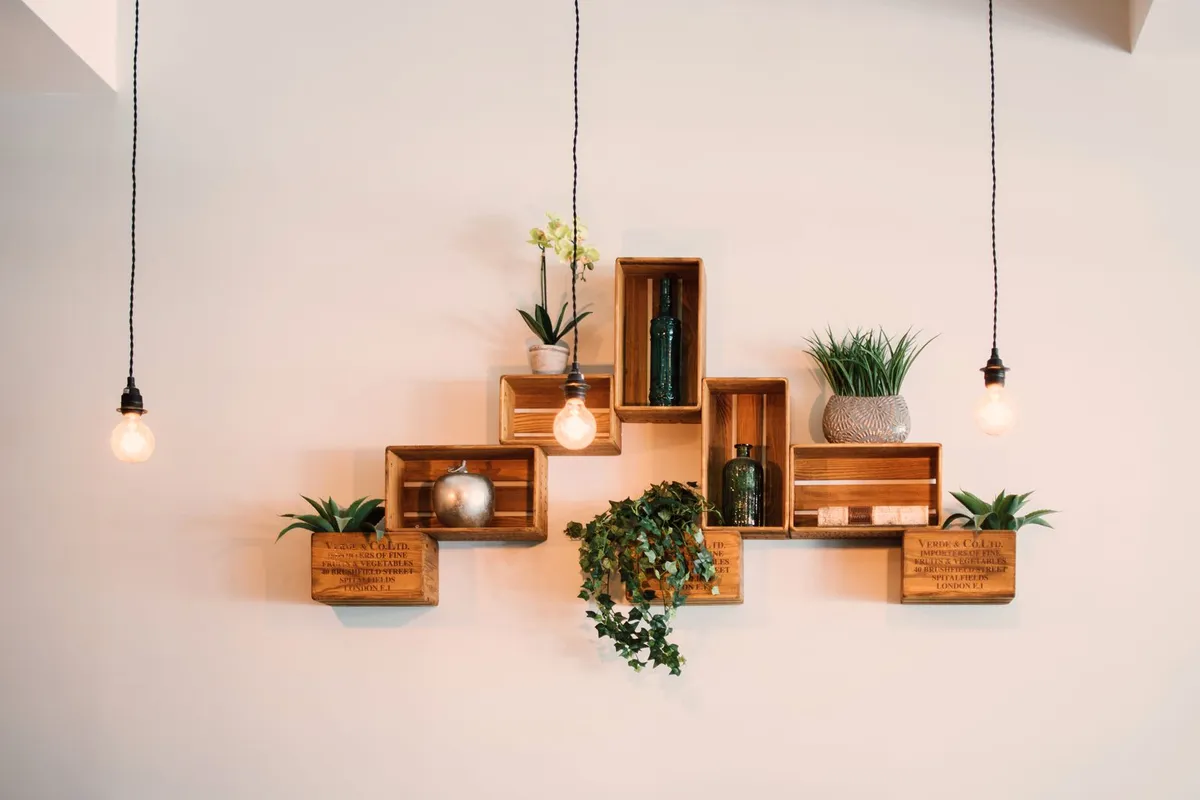
Glass doors make a corner cabinet feel light, which matters in a room that already feels crowded. Choose clear glass if your dishes, plants, or collections look good grouped by color, and choose fluted or frosted glass if you want a softer blur.
3. Floating Corner Shelves Over a Low Cabinet
If a tall unit feels too heavy, float two or three shelves in the corner and anchor them with a low cabinet underneath. Mount the lowest shelf at least 18 inches above the cabinet top so you can actually use the surface without knocking things over.

4. A Corner Bar Cabinet for Small Gatherings
A corner bar cabinet turns an awkward nook beside the sofa into the spot guests gather around. A mirrored back panel bounces light around and makes a small corner feel twice as deep, even in a dim room.
5. A Reading Nook Cabinet With a Bench Seat
Pair a low corner cabinet with a cushion on top and you get a reading seat plus hidden storage in one piece. Add a wall sconce or a clip on reading light at shoulder height, and the corner stops being wasted space and starts being the favorite seat in the house.

6. A Corner Media Cabinet That Hides the Cables
Televisions often end up in a corner because that is where the cable outlet lives, and a corner media cabinet makes that placement look deliberate. Keep the cabinet depth at 20 inches so a soundbar fits in front without blocking the screen, and leave 2 inches of air behind electronics that run warm.
7. A Shaker Style Cabinet in Warm White or Sage
Painted warm white keeps a dark corner bright, while sage green adds color without shouting. If your room already leans warm and calm, these beige living room ideas that feel warm, not boring pair beautifully with a painted corner cabinet, because the soft tones let the wood grain and hardware do the talking.
8. An Open Corner Tower Just for Books
Book lovers rarely have enough shelf space, and a corner tower fixes that without eating a whole wall. Five or six open shelves, each about 11 inches tall, fit most hardcovers, and a triangular footprint of 16 inches per side holds a surprising number of books.

9. A Corner Cabinet With Deep Drawers for Games and Crafts
Drawers beat shelves for the stuff that always looks messy, like board games, craft supplies, and kids art kits. Label the inside of each drawer with a small tag, and the whole family will put things back in the right place without being asked twice.
10. A Mirrored Corner Cabinet to Open Up a Small Room
Mirrored doors or a mirrored back panel reflect the window light across the room, which is gold in a small or north facing living room. Keep the frame slim and simple, in brass, black, or natural wood, so the mirror reads as furniture rather than a dressing table.

11. A Rustic Wood Hutch for a Collected Look
A rustic corner hutch, in oak, pine, or reclaimed wood, adds warmth that painted cabinets cannot match. Look for a matte or satin finish that shows the grain, iron or bronze cup pulls, and a slightly distressed edge if your room leans farmhouse.
12. A Fold Down Desk Cabinet for a Work Corner
When the living room corner has to double as an office, a fold down desk cabinet is the tidiest answer. Closed, it looks like a normal cabinet about 32 inches wide. At the end of the day, fold it shut and the workday disappears, which is exactly what a living room needs.
13. A Toy Cabinet With Bins Kids Can Reach
A corner cabinet for toys works only if kids can open it themselves, so skip high latches and heavy doors. Put a picture label on each bin, keep the heaviest bin at the bottom, and rotate toys every few weeks so the corner stays fresh without buying anything new.
14. A Plant Cabinet With Glass Doors and Grow Lights
A glass front cabinet with a small grow light strip turns a dark corner into a tiny greenhouse. A cabinet about 16 inches deep gives leaves room to spread without pressing against the glass, and a timer on the light keeps the routine effortless.

15. A Dark Walnut Cabinet for a Moody Living Room
Dark walnut brings instant depth to a corner, especially against light walls or beside a cream sofa. If your room mixes brown and blue tones, these brown and blue living room ideas for a warm, earthy look show how walnut, navy, and warm tan sit together without the room feeling heavy.
16. A Slim Cabinet for a Tight Corner by the Door
Some corners are only 12 inches deep before a door swing or a radiator gets in the way, and a slim cabinet is made for exactly that spot. Choose a unit 10 to 12 inches deep with a single door, and use it for keys, mail, sunglasses, and a small basket for dog leads.
17. A Corner Cabinet With Built In Lighting
Lighting changes a corner cabinet from storage to a feature, and it is easier than it sounds. Glass doors glow beautifully with this setup, and a simple remote lets you dim the shelves for movie night without getting up.
18. A Cabinet Beside the Fireplace for a Balanced Wall
A fireplace often leaves two awkward corners on either side, and matching corner cabinets on both sides make the whole wall feel designed. Even one cabinet, on the side with more room, balances the hearth if you match its height to the mantel and its finish to the room.

19. A Budget Freestanding Cabinet for Renters
Renters need a corner cabinet that moves out as easily as it moved in, so skip built ins and choose a freestanding piece. Add removable adhesive felt pads under the feet, style the top with things you already own, and take the whole piece with you when you move.

20. A Two Tone Cabinet That Ties the Room Together
When your sofa, rug, and curtains already pull in different directions, a two tone corner cabinet can tie them together. Try a painted body in soft white or greige with natural wood doors, or a wood body with painted doors in the room’s accent color. For tight layouts, these furniture layout ideas for small living rooms help you place the cabinet so walkways stay clear and the seating still feels open.


Frequently Asked Questions
How deep should a corner cabinet be?
For display, 12 to 16 inches is plenty and keeps the room feeling open. For real storage, like games, blankets, or media gear, go 18 to 22 inches deep, and check that the doors can open fully without hitting the sofa or a door swing.
What can I put in a corner cabinet?
Almost anything you use weekly but do not want on show: books, board games, throws, chargers, craft supplies, and barware all work well. Keep heavy items low, everyday items at hand height, and pretty things behind glass or on open shelves.
Do corner cabinets work in small living rooms?
Yes, and they often work better there than a standard bookcase, because they use space that is otherwise wasted. Choose a slim or triangular footprint, keep the color close to your wall color, and use glass or mirrored doors so the unit does not visually block the room.
Should a corner cabinet match my other furniture?
It should share one thing with the room, like the wood tone, the hardware finish, or the paint color, but it does not need to match everything. One shared detail is enough to make the cabinet look intentional while still letting it stand out as a feature.
Conclusion
The best corner cabinet is the one that fits your corner, your storage needs, and your daily habits, not the biggest or fanciest one you can find. Measure first, decide between open display and closed storage, and pick a finish that shares something with the rest of the room. Do that, and the awkward corner you used to ignore becomes the most useful and most admired spot in your living room.




One Comment