20 Small Bedroom Ideas to Maximize Space

The best small bedroom ideas maximize space by treating every inch as useful, not by squeezing in more furniture. These 20 ideas start with layout, move through storage, and finish with the styling details that make a small bedroom feel bigger than it measures.
Small Bedroom Ideas Maximize Space When Every Piece Earns Its Place
Before buying anything, measure the room and mark where the door and wardrobe doors swing, because a layout that blocks a swing wastes more space than any furniture choice. Keep one clear path from the door to the window, push the largest pieces against the walls, and leave breathing room around the bed. For couples sharing a compact room, our small bedroom storage ideas for couples that work show how to split storage fairly without doubling the furniture or crowding the floor.
1. Push the Bed Into a Corner
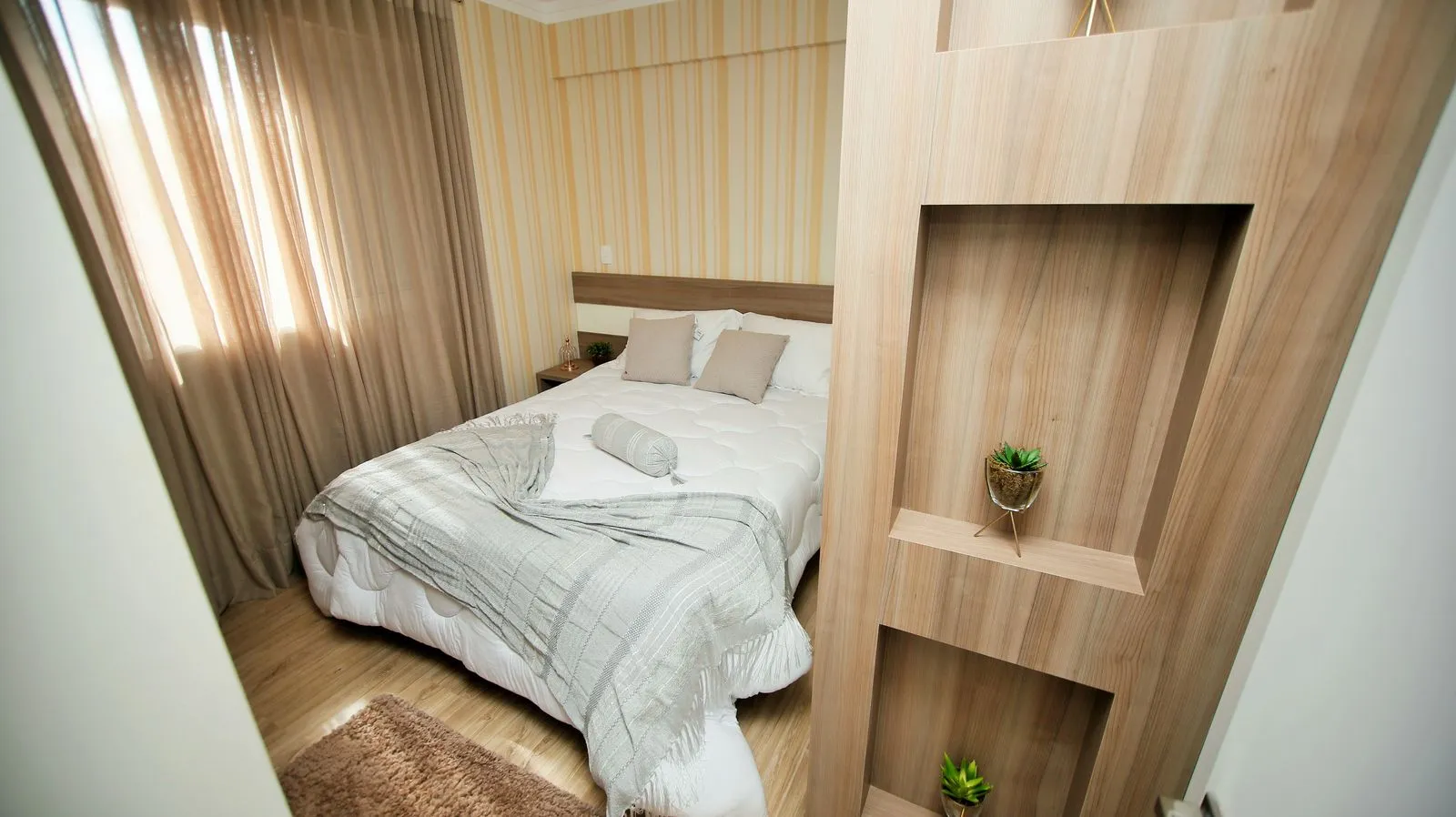
Placing the bed against two walls frees the middle of the floor and creates one open area for dressing. It works best for a single sleeper or a couple happy climbing in from one side. Add a long bolster along the wall so the corner feels finished, and use the freed floor for a slim dresser instead of a second bedside table.
2. Choose a Storage Bed With Drawers
A storage bed turns the biggest piece of furniture into the biggest storage unit in the room. Choose drawers over a lift up base if you change stored items often, since drawers open without moving the mattress or clearing the pillows off the bed every time.
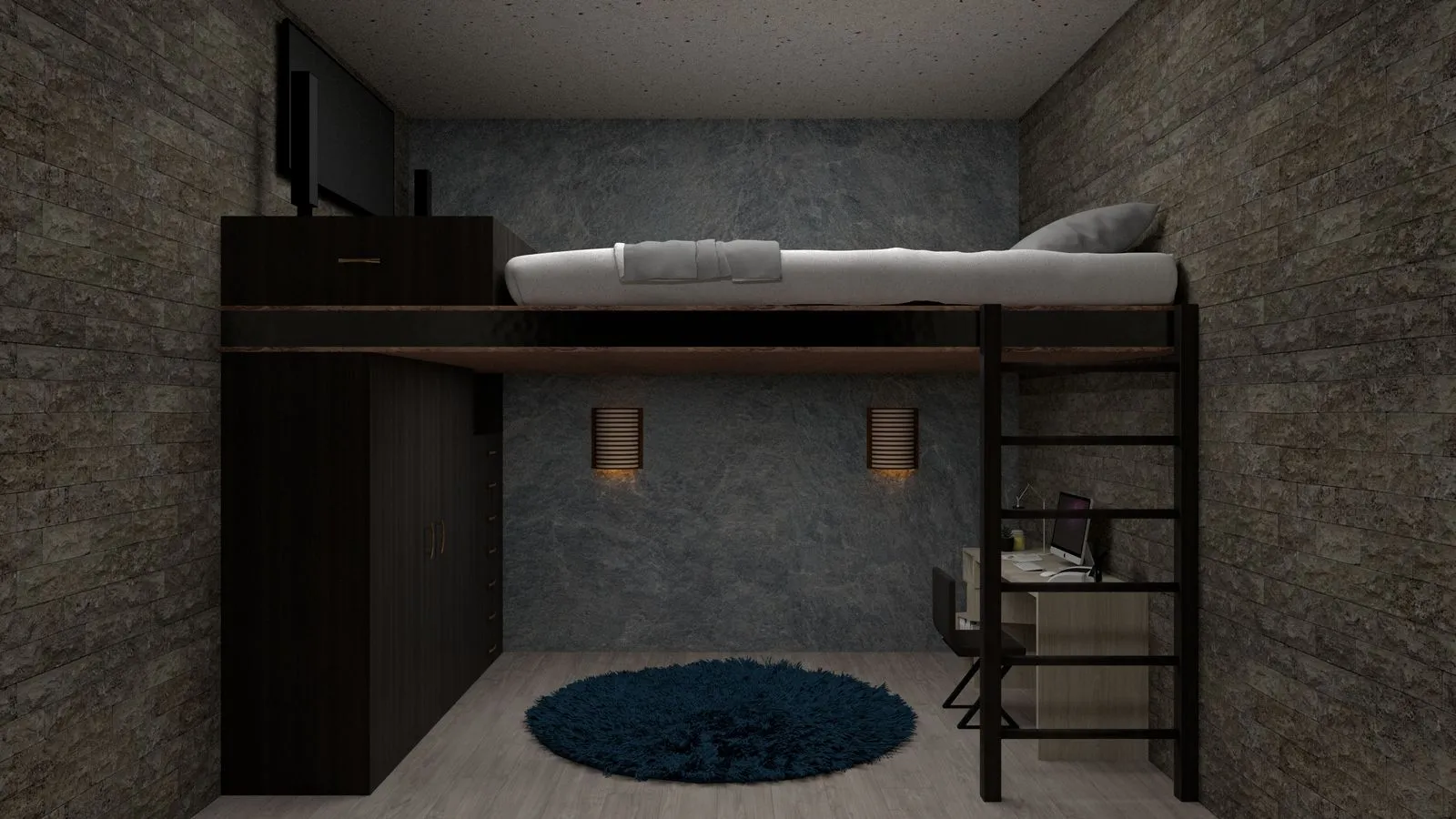
3. Try a Loft Bed for Floor Space
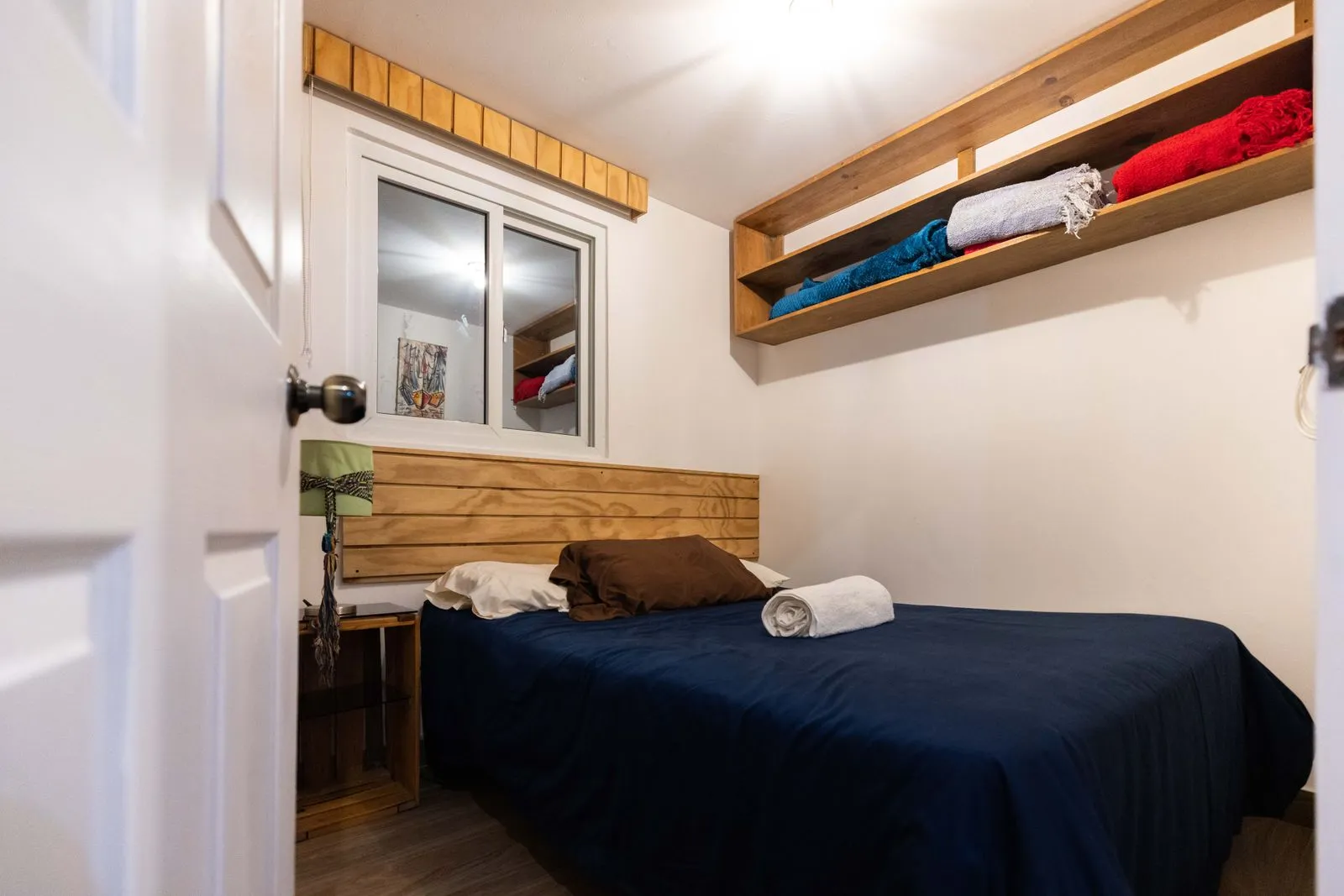
Raising the bed creates a whole second zone underneath for a desk, a reading chair, or open wardrobe rails. Loft beds suit rooms with reasonable ceiling height and work especially well for teenagers, students, and single adults. Keep the area below bright with a small lamp, because a dark under bed zone feels like a cave. Secure the frame properly and leave clear headroom above the mattress.
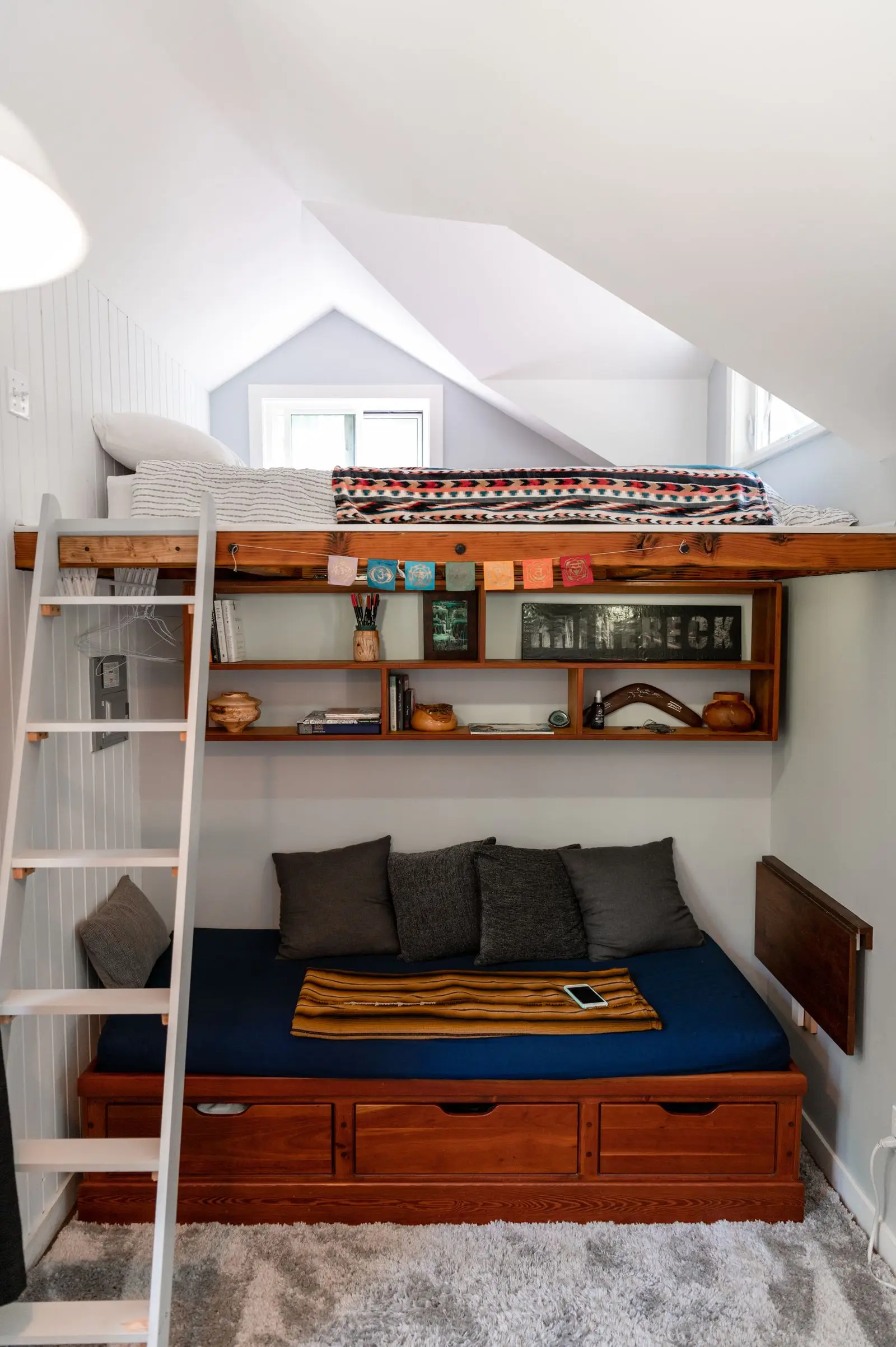
4. Use a Daybed as Sofa and Bed
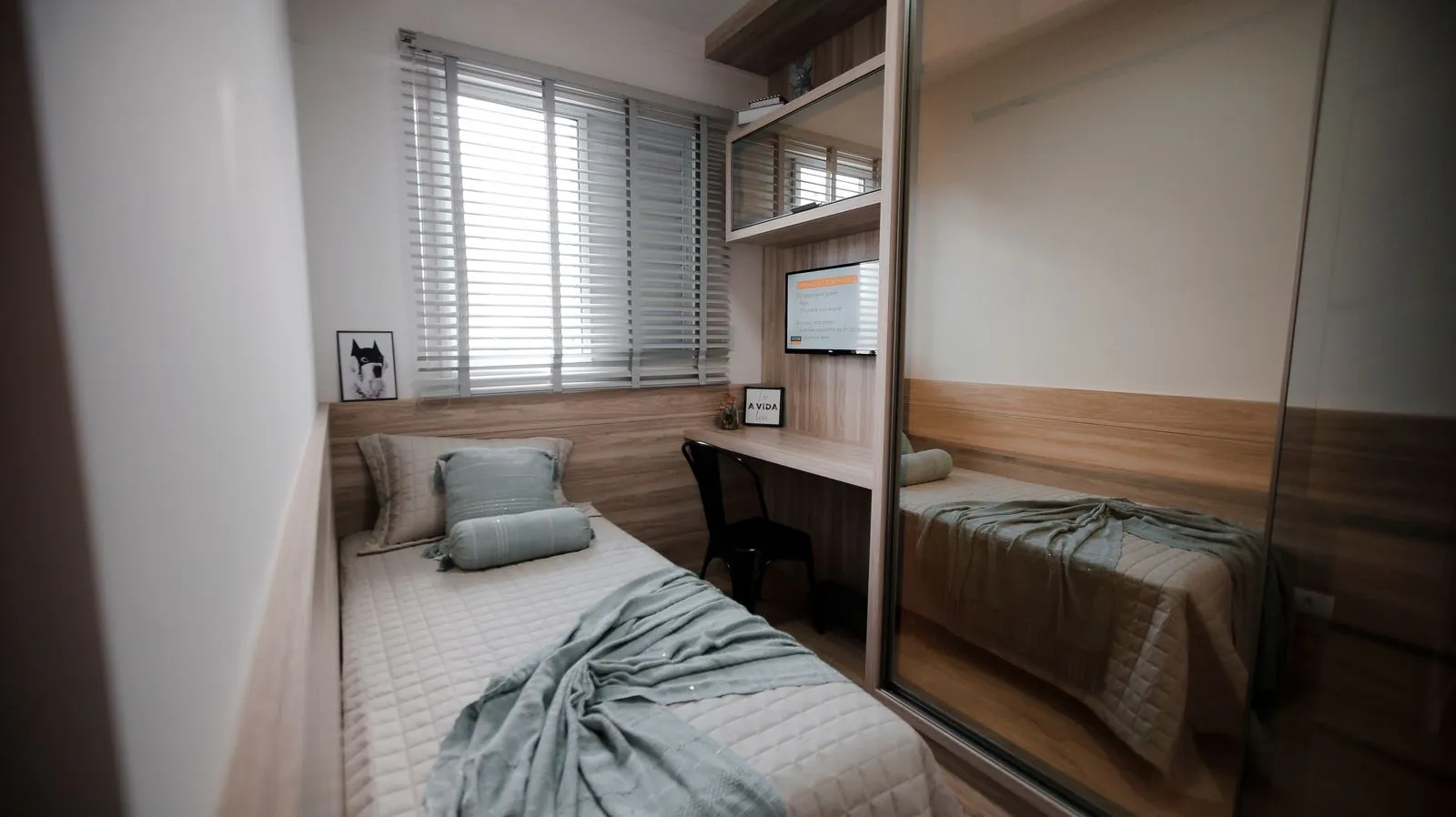
A daybed earns its place twice, working as a deep sofa for reading and guests during the day and a full bed at night. Style it with firm cushions along the back so it reads as seating, not an unmade bed. Many daybeds hide a pull out trundle below, which adds a guest bed without taking any extra floor space when it is pushed away.
5. Float Shelves Above the Bed
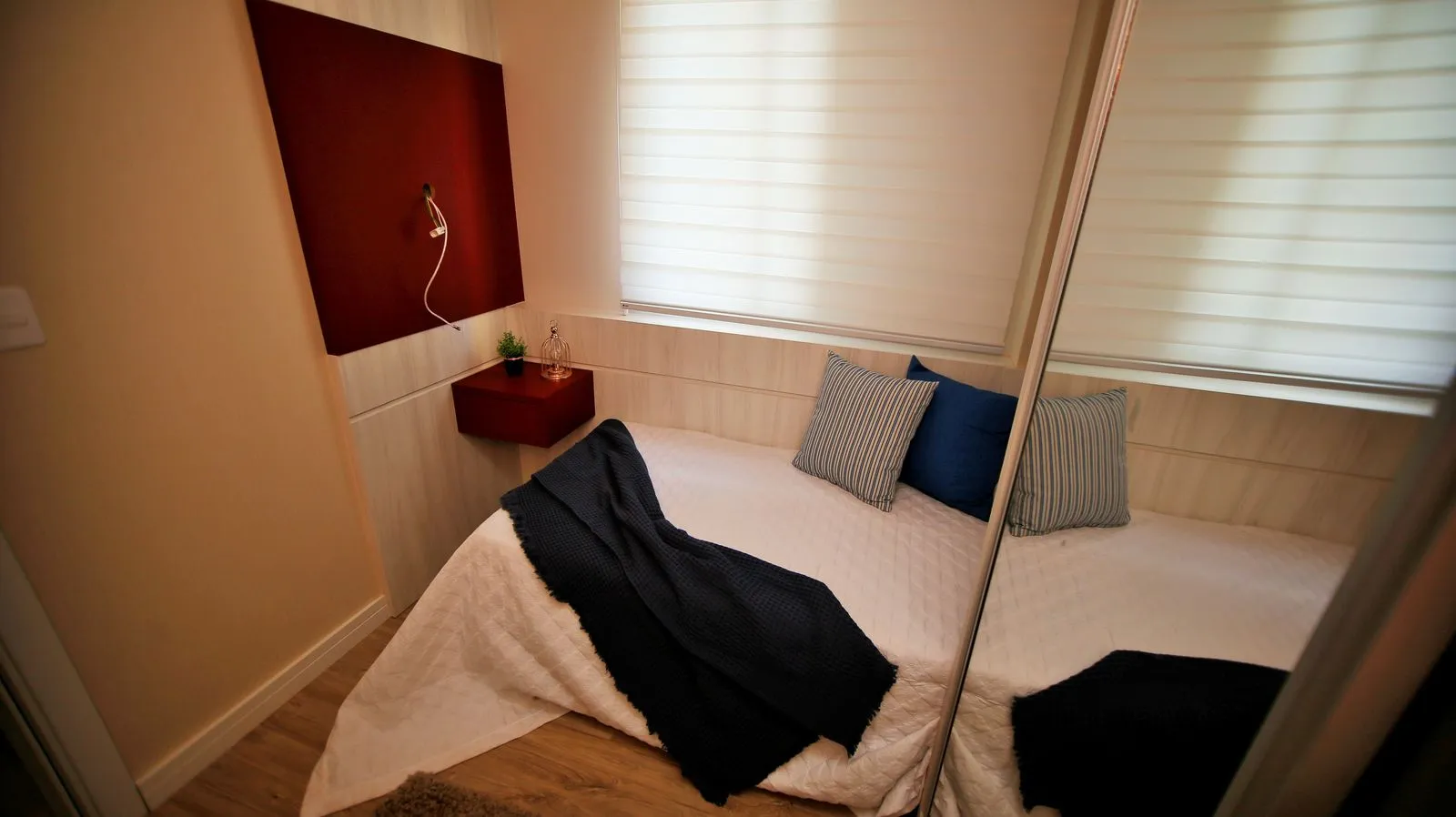
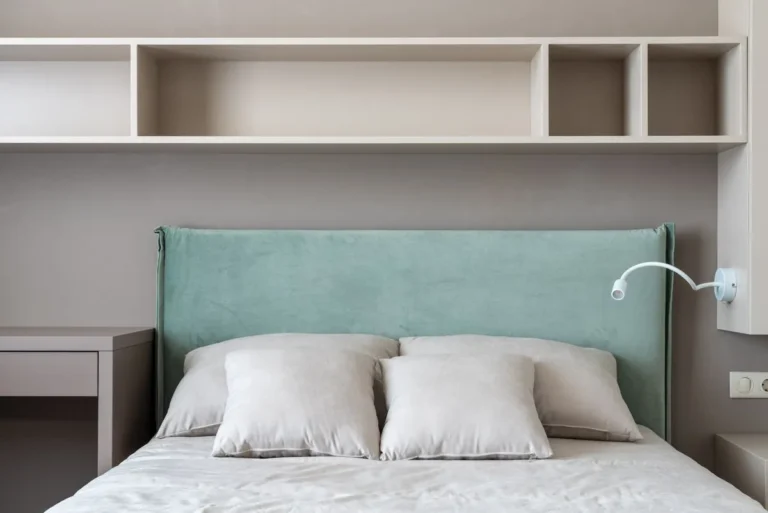
The wall above the headboard is usually wasted, yet it can hold books, plants, and the small things that otherwise crowd the bedside table. Fit one or two floating shelves high enough to sit up safely below them, and keep the styling light and uncluttered. Use small baskets or boxes on the shelves so loose items stay hidden and the display still looks calm from the doorway.
6. Build Storage Up, Not Out
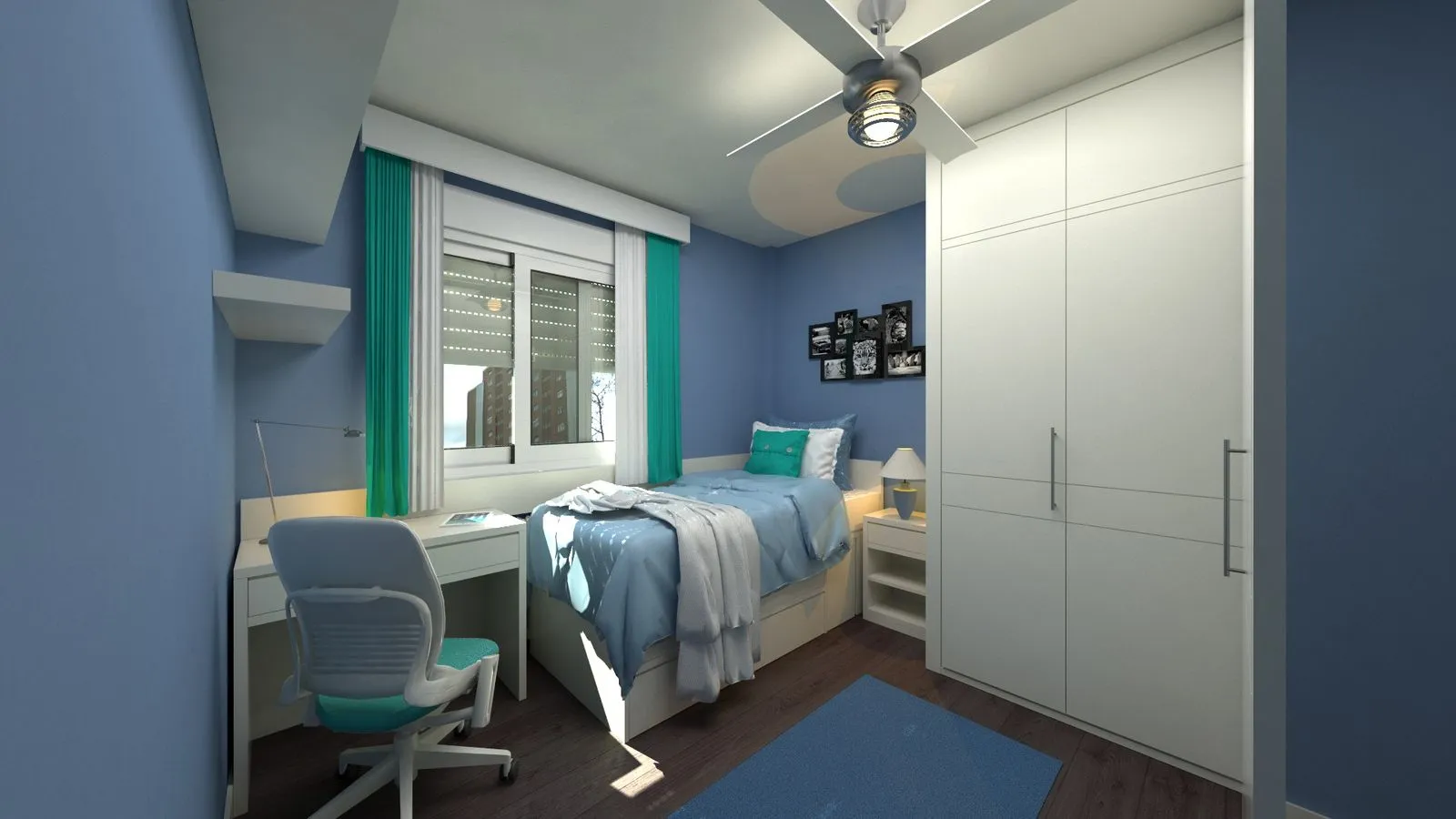
Tall, narrow storage takes the same footprint as a short wide piece but holds far more. A tallboy dresser, a high bookshelf, or wardrobe units that reach the ceiling all use the vertical space small rooms have in surplus. Store everyday items between waist and eye level, and keep rarely used things on the top shelves, reached with a small folding step kept behind the door.
7. Pick a Slim Wardrobe With Sliding Doors
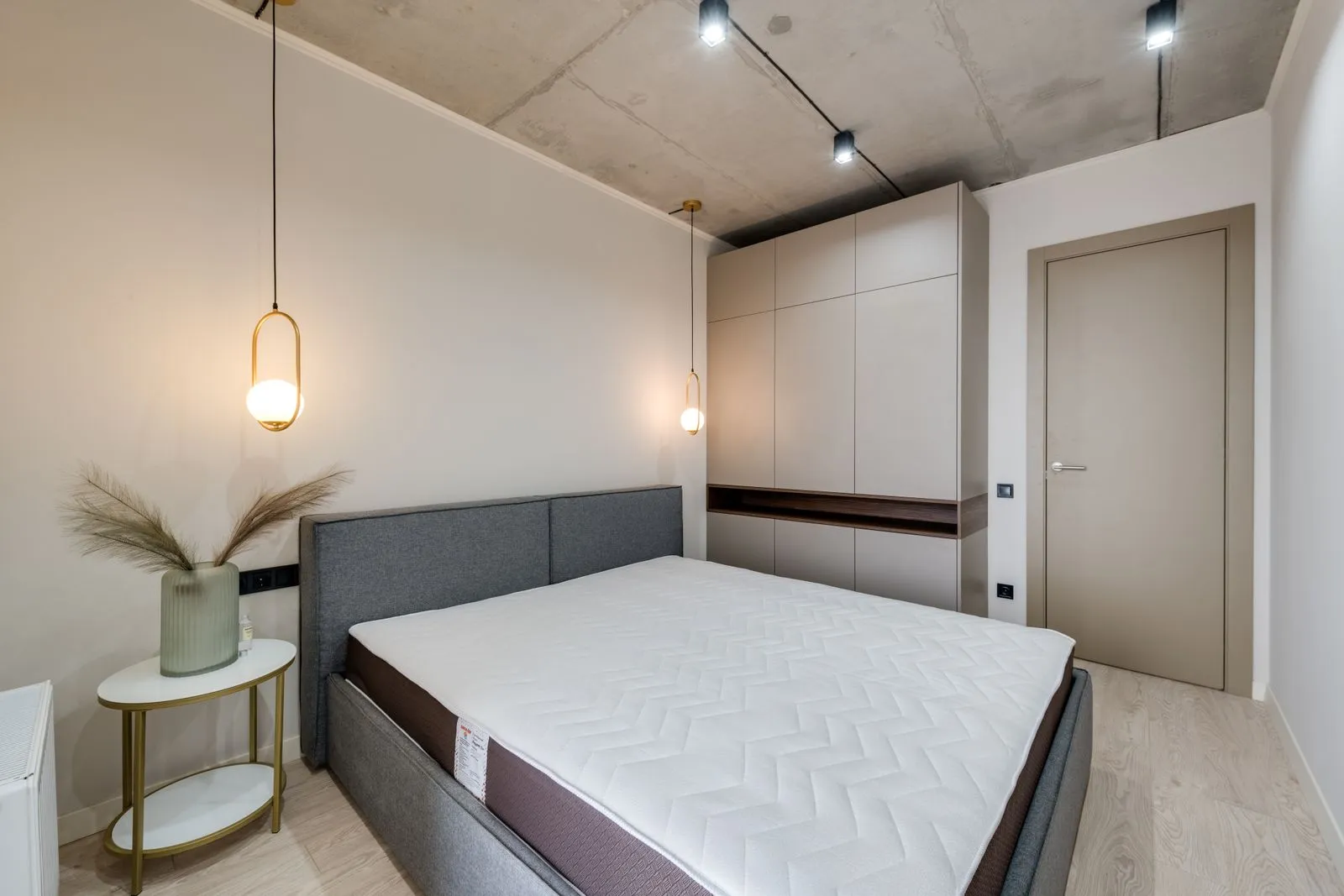
Hinged wardrobe doors need a clear arc of floor every time they open, and in a small bedroom that arc often crosses the bed. Inside, use double hanging rails, slim hangers, and a stack of clear boxes on the floor of the wardrobe. A mirrored sliding door also bounces light around the room and removes the need for a separate mirror.
8. Swap Bedside Tables for Wall Sconces and a Shelf

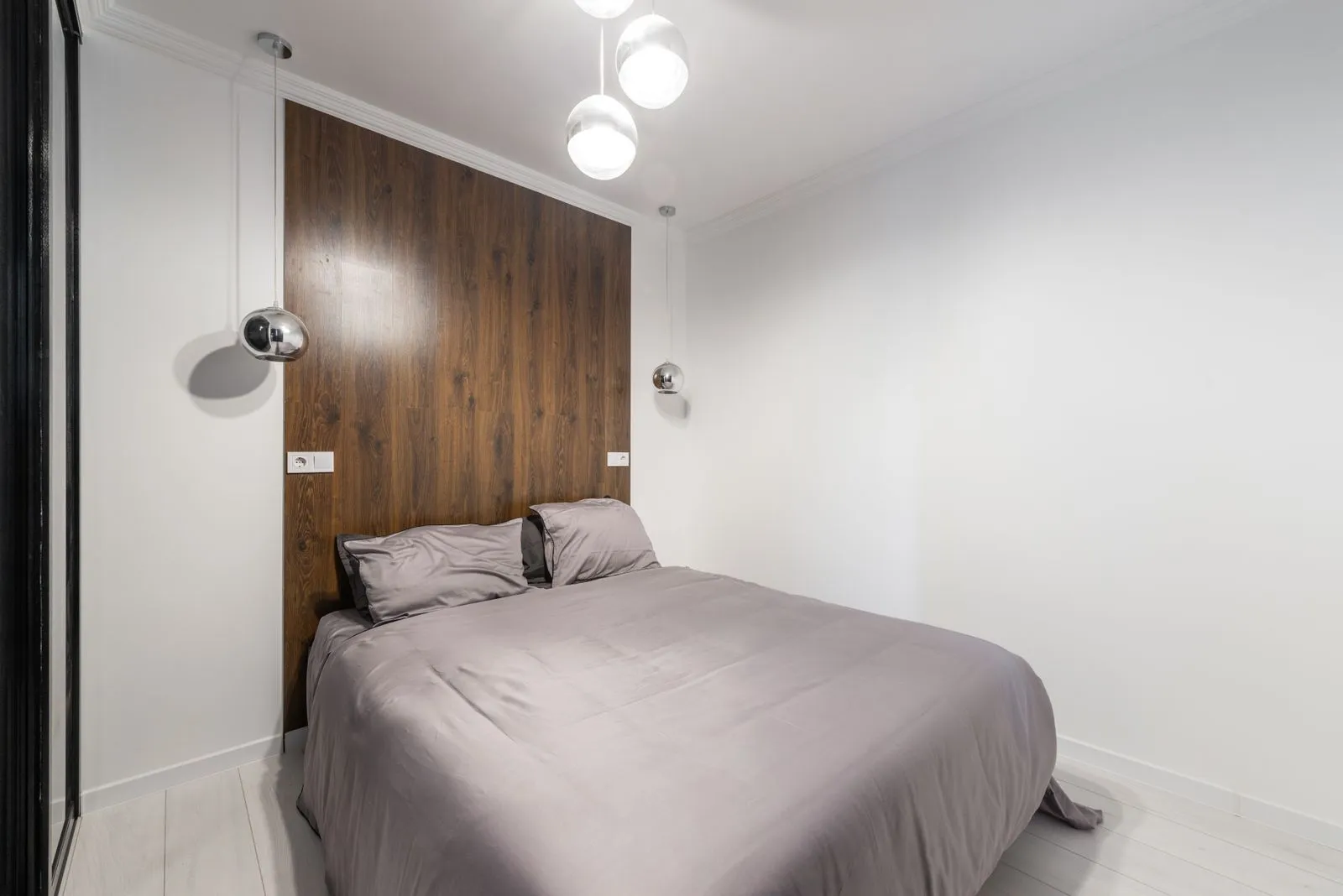
Two full bedside tables can eat a surprising share of a small floor plan. Replace them with a narrow floating shelf on each side of the bed, just deep enough for a phone, a book, and a glass of water. Move the lighting onto the wall with plug in sconces, and the floor below stays clear, which makes the whole bed wall look wider and calmer.
9. Hang a Large Mirror to Double the Light
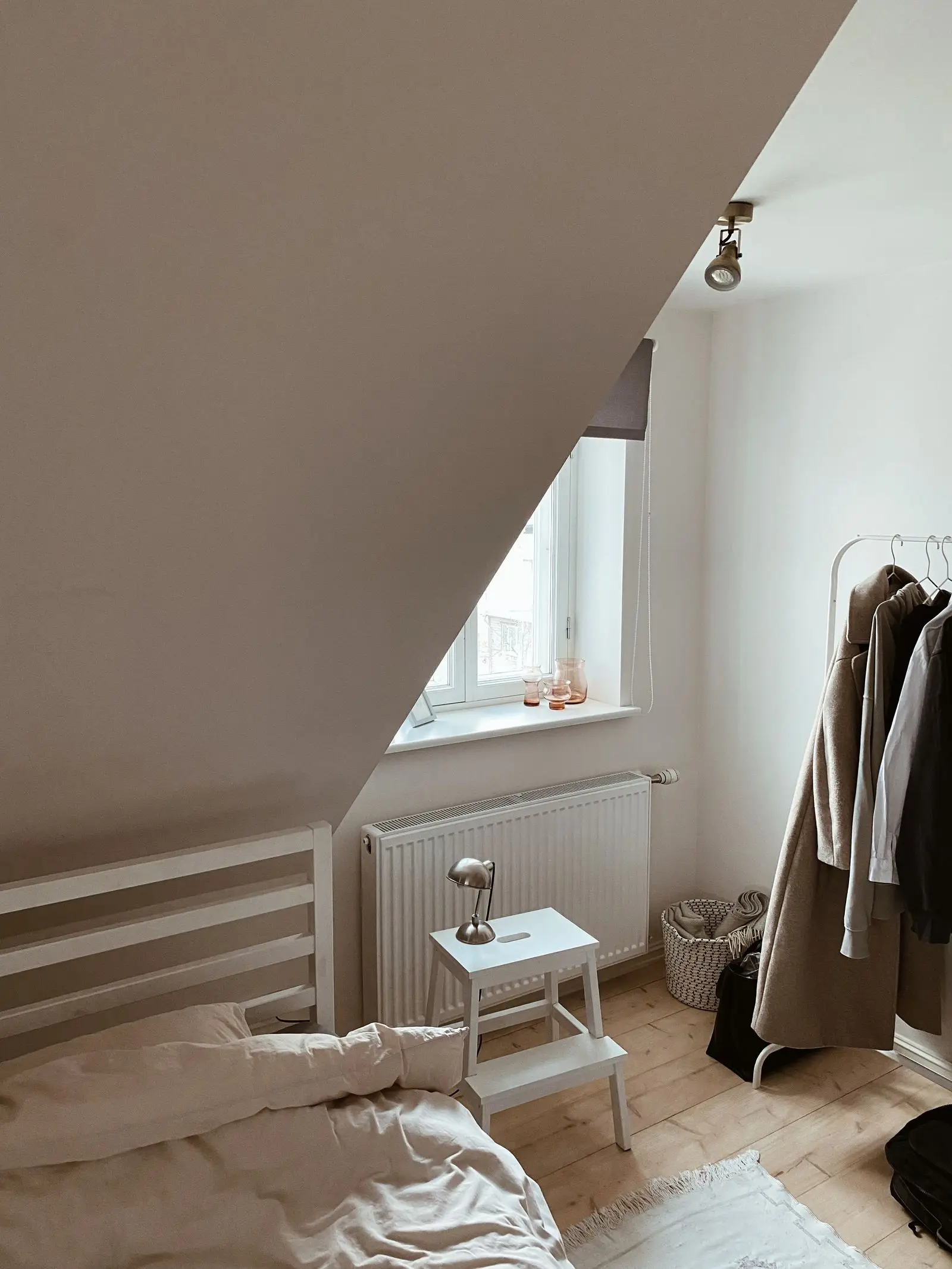
A large mirror opposite or beside the window reflects daylight deep into the room and makes the far wall seem to recede. Choose one generous mirror rather than several small ones, since a single reflection reads as extra space instead of decoration. Lean a tall mirror on the wall if drilling is not allowed, and angle it slightly so it catches the window light through the day.
10. Keep the Palette Light and Low Contrast

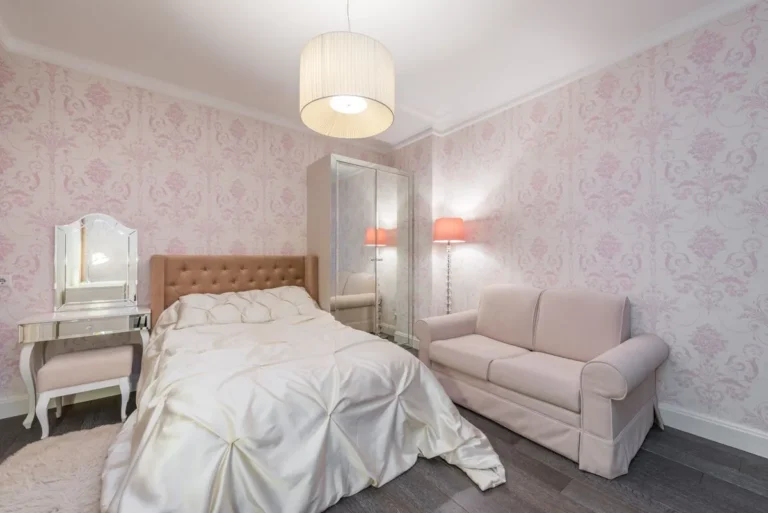
Light walls, bedding, and furniture blur the edges of a small room, so the eye reads one continuous space instead of separate blocks. Whites, warm creams, and pale grays work best, with contrast in small doses through cushions, a throw, or art. If you love color, keep it to one accent and repeat it twice.
11. Choose Leggy Furniture That Shows the Floor
Furniture raised on slim legs lets light and sightlines pass underneath, which makes a small room feel less filled. A leggy bed frame, a raised dresser, and an open base nightstand all show more floor, and floor on show is what the brain counts as space. The gap underneath also fits flat storage boxes and makes cleaning easier, so the room stays practical as well as airy.
12. Use the Space Under the Bed Properly
If your bed has no built in drawers, the space underneath is still prime storage for flat items. Avoid loose clutter pushed under the bed, since visible mess at floor level makes a small room feel smaller. A simple bed skirt or a low frame hides the storage line.
13. Fit a Fold Down or Wall Mounted Desk
A wall mounted desk that folds flat gives you a real workspace without a permanent footprint. Open it for laptop work or makeup, then fold it away so the room returns to rest mode. Pair it with a folding chair that hangs on a wall hook. Even a fixed narrow desk shelf under the window works, as long as its depth stays under sixteen inches.
14. Let One Dresser Do Two Jobs
A low dresser can hold clothes inside while its top works as a vanity, a display surface, or a changing spot. Add a round mirror above it and a small tray for daily items, and it replaces a separate dressing table. Our dressing table ideas for every bedroom style show how to style that surface for different looks. Keep the top two thirds clear so the double duty never reads as clutter.
15. Use Hooks and Rails Behind the Door
The back of the bedroom door and the wall strip behind it are free storage most rooms ignore. Fit a row of sturdy hooks for robes, bags, and tomorrow outfit, or a slim rail for scarves and belts. Over door organizers with clear pockets suit renters, since they need no drilling. Keep the load light and flat so the door still opens fully against the wall.
16. Choose Curtains That Sit High and Wide
Hanging curtains close to the ceiling and wider than the window frame makes the window, and the room, feel taller and broader. Let the panels fall to the floor or just above it, and choose light fabrics that let daylight through. When the curtains stack mostly on the wall, more glass stays exposed, and extra daylight is the cheapest way to make a small bedroom feel generous.
17. Keep Bedding Simple and Well Fitted
Bulky duvets, trailing throws, and too many pillows spill over the edges of the bed and make a small room look untidy. Tuck the bedding in cleanly each morning. A neat, low profile bed takes up less visual space than the same bed left rumpled.
18. Add a Narrow Bench or Ottoman With Storage
A slim storage bench at the foot of the bed gives you a seat for dressing, a surface for the laundry basket, and hidden storage in one narrow footprint. Inside, keep blankets, books, or gym gear. If floor space is very tight, swap the bench for two small storage cubes that can move apart.
19. Limit the Room to One Pattern
Multiple busy patterns compete in a small space and make the walls feel closer. Pick one patterned item, such as curtains, a rug, or a duvet cover, and keep everything else plain in coordinating tones. A small scale pattern reads calmer than a large bold print. If you want more interest, add texture instead: linen, woven cotton, and light wood grain give depth without visual noise.
20. Edit Ruthlessly and Keep Surfaces Clear
The final space saver costs nothing: own less in the room. Keep only what you use weekly, and move the rest to hallway storage. Clear surfaces make any room feel bigger, so give daily items a drawer or box to return to. A ten minute reset each evening keeps a small bedroom feeling spacious every morning.
Frequently Asked Questions
What is the best bed for a very small bedroom?
A storage bed with drawers is usually the best choice, because it removes the need for a separate dresser and uses wasted space. If the ceiling is high enough, a loft bed frees even more floor. For a guest or teen room, a daybed with a trundle gives seating and a spare bed in one footprint.
How can I fit a desk in a tiny bedroom?
Use the wall, not the floor. A fold down desk or a narrow shelf desk under the window gives a work surface with almost no permanent footprint. Pair it with a folding chair on a hook, keep the depth under sixteen inches, and use a clip lamp instead of a desk lamp.
Do light colors really make a small bedroom look bigger?
Yes, because light surfaces reflect more daylight and soften the corners where walls meet, so the room reads as one open space. Keep walls, bedding, and large furniture in whites, creams, or pale grays, then add contrast in small accents. A large mirror and sheer curtains strengthen the effect by moving more light around the room during the day.
Conclusion
A small bedroom does not need more square feet, it needs better decisions. Work through the ideas in order and stop when the room feels calm, because the goal is not to fit everything in, but to make the space you have work harder and rest easier.